Every tender makes the next one faster. That's the point of institutional memory.
When a senior bid manager leaves, their knowledge leaves with them.
Shared system past tenders, lessons, and winning responses live in - just inboxes
How long it takes a new hire to re-solve problems already solved
Where similar tenders start, instead of from what already worked
What happens to institutional knowledge when someone leaves
When a senior bid manager leaves, their knowledge leaves with them.
Every new tender pulls from what the organization already knows - retrieved, not rebuilt.
Every processed tender, response, and outcome is stored in a searchable institutional archive.
Winning language and structures from past bids are surfaced for reuse, not rewritten from zero.
Client-specific and portal-specific patterns are retained and surfaced for future bids.
New tenders are automatically matched against similar past tenders, surfacing what worked before.
Teams that reuse institutional knowledge spend less time rebuilding what already exists.
Every processed tender, response, and outcome is stored in a searchable institutional archive.
New tenders are automatically matched against similar past tenders, surfacing what worked before.
Contributions remain in the organizational archive, not tied to any individual account.
Every processed tender, response, and outcome is stored in a searchable institutional archive.
Winning language and structures from past bids are surfaced for reuse, not rewritten from zero.
Client-specific and portal-specific patterns are retained and surfaced for future bids.
New tenders are automatically matched against similar past tenders, surfacing what worked before.
Storing the past isn't the point - the next bid starting smarter because of it, is.
Every tender, response, and outcome retained and findable.
Past responses surfaced for reuse, not rewritten from zero.
Portal and customer-specific patterns survive team turnover.
Teams reuse what already exists instead of rebuilding it.
Contributions remain in the organization, not tied to any one person.
Less time rebuilding what already exists
Past tenders searchable in natural language
Knowledge lost when team members leave


Reuse winning technical responses instead of rewriting them each cycle.
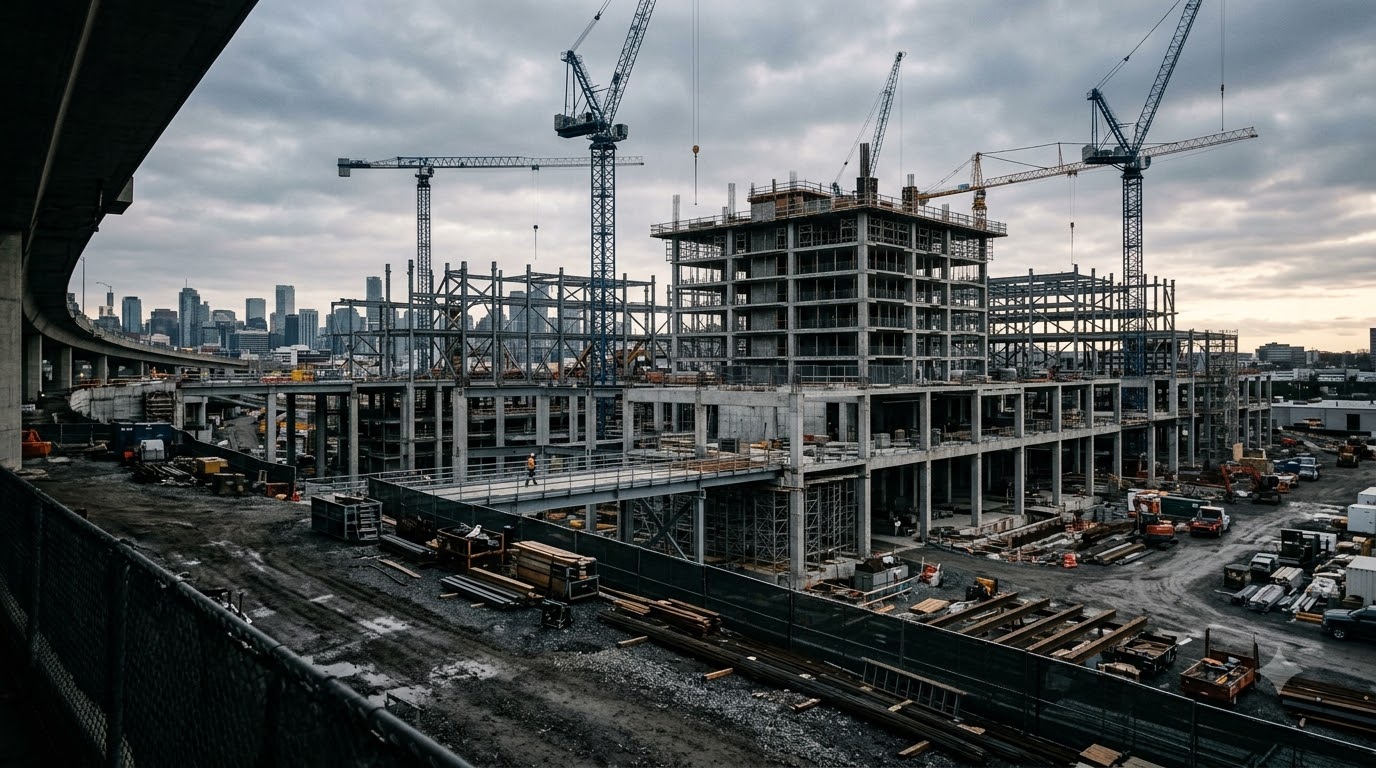
Build a searchable archive of past NIT responses and outcomes.

Turn every EPC bid history into a growing library your team can query.
Their contributions remain in the organizational archive, not tied to their individual account.
Every tender you've won or lost is intelligence you're not using yet. Start building institutional memory today.
We audit your existing tender archive
We structure it into a searchable institutional memory
We scope a pilot